
Both make bugs visual. But they're built for different people. Here's the rundown.
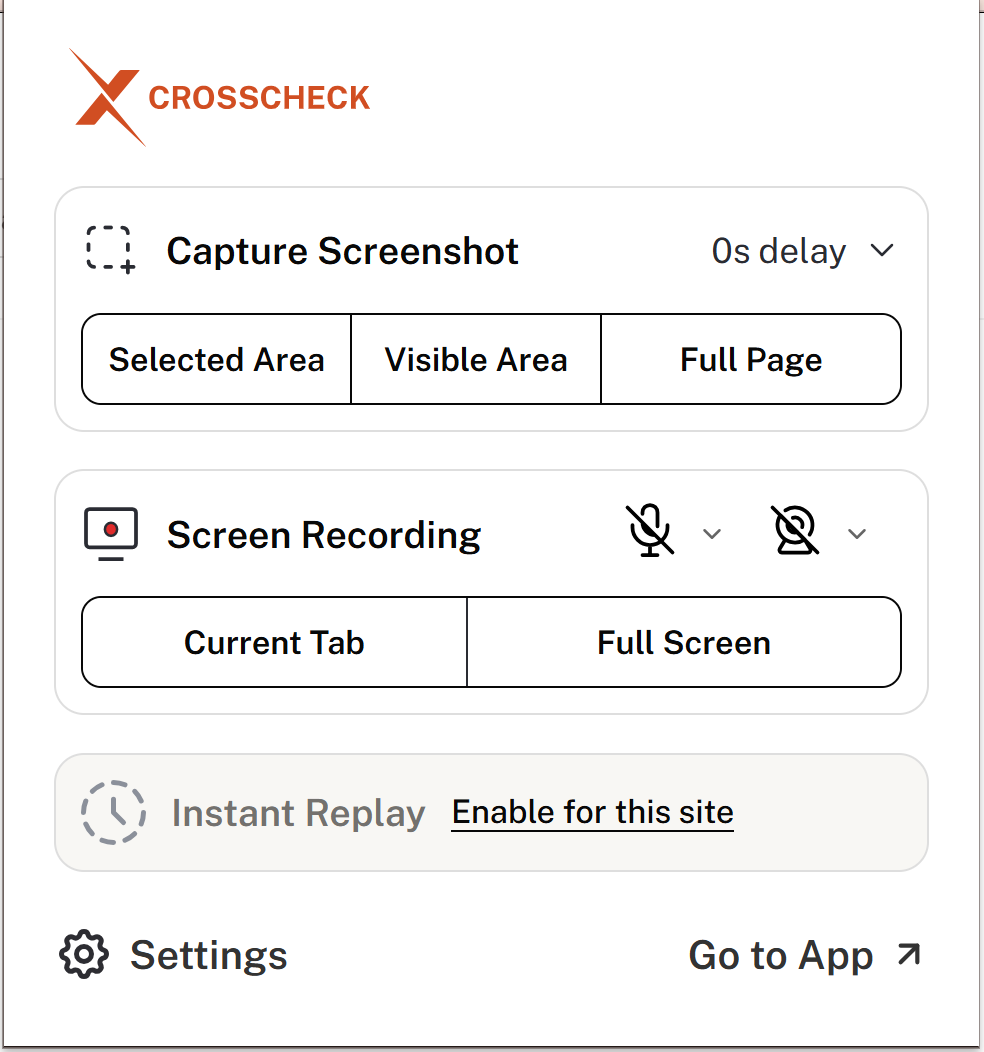
Crosscheck is a Chrome extension and web app for bug reporting. You record a bug, and it captures the technical context automatically: console logs, network activity, performance metrics, and user actions — right next to your screenshots and recordings. So developers get the full picture on the first try. No follow-up questions.
BugHerd is a visual feedback and bug tracking tool built for websites and agencies working with non-technical clients. People click an element on the page to pin feedback, and it auto-creates a report with a screenshot, CSS selectors, and browser metadata. It also ships a built-in Kanban board for triage. There's no free plan — pricing starts at $42/month for 5 users.
Both make bug reporting visual and developer-friendly. But they take different routes. Crosscheck captures rich technical context with every recording. BugHerd is about pinning feedback right on the page. Here's how they compare.
| Feature | Crosscheck | BugHerd |
|---|---|---|
| Capture Modes | ||
| Screenshot Capture | ||
| Full Page Screenshot | ||
| Point-and-Pin on Page Elements | ||
| Screen Recording | ||
| Full Screen Recording | ||
| Instant Replay | ||
| Recording Features | ||
| Webcam Overlay | ||
| Microphone Audio | ||
| Pause/Resume Recording | ||
| Video Trimming | ||
| On-Screen Annotations During Recording | ||
| DevTools Capture | ||
| Console Logs | ||
| Network Requests | ||
| User Actions Timeline | ||
| Performance Metrics | ||
| CSS Selector Capture | ||
| Device & Browser Info | ||
| Editing & Annotation | ||
| Screenshot Annotations | ||
| Drawing & Shapes | ||
| Text Annotations | ||
| Blur/Redact Sensitive Data | ||
| Arrow Tool | ||
| Project Management | ||
| Built-in Kanban Board | ||
| Projects | ||
| Tags | ||
| Comments | ||
| Timestamped Video Comments | ||
| File Attachments | ||
| Guest Access (No Login) | ||
| Integrations | ||
| Jira | ||
| ClickUp | ||
| Trello | ||
| Asana | ||
| GitHub | ||
| Slack | ||
| Zapier | ||
| MCP (AI Tool Integration) | ||
| Deployment | ||
| Browser Extension | ||
| JavaScript Snippet Embed | ||
| Public Feedback Widget | ||
| Web App Dashboard | ||
| Pricing | ||
| Free Plan | Yes (3 seats) | No free plan |
| Paid Plan Price | $12/seat/mo | $42/month (5 users) |
| Unlimited Free Viewers | ||
Crosscheck starts free: 3 seats, 1 project, 5-minute recordings, and 30 days of history. Pro is $12 a seat ($10 billed yearly, after a 7-day trial) for unlimited recording length, unlimited projects and history, private checks, custom statuses, and unlimited free Viewer seats. BugHerd has no free plan — it starts at $42/month for 5 users. Both keep guest reporters free. But Crosscheck adds full DevTools capture (console, network, performance, user actions) that BugHerd doesn't offer at any tier.
Both record screens and annotate screenshots — but they're built for different crowds. BugHerd is made for agencies collecting feedback from non-technical clients. Point-and-pin on the page, an embeddable snippet, a public feedback widget, and a built-in Kanban board make it great when stakeholders need to comment on a live site. Crosscheck is made for developers and QA who need real debugging context. Every report auto-captures console logs, network requests, performance metrics, and user actions — none of which BugHerd does at any price. Price seals it: BugHerd has no free plan and starts at $42/month for 5 users. Crosscheck starts free, and Pro is just $12 a seat with unlimited free Viewer seats. Running client-feedback workflows? BugHerd fits. Need developer-grade bug reporting with full context, for less? Crosscheck is the call.
 Add to Chrome